Every new parent knows that raising a baby is like signing up for a never-ending circus act. Between diaper changes and midnight feedings, there’s one crucial activity that deserves a spotlight: tummy time. It’s not just an adorable term; it’s a vital exercise that helps little ones build strength and coordination. Picture this: a tiny human, face down on a soft mat, trying to lift their head like a mini weightlifter.
Tummy time isn’t just about the cuteness factor—though that definitely helps. It’s about setting the stage for future milestones like crawling and walking. So, while your baby might initially protest this new position, they’ll soon discover that the world looks a lot more exciting from the floor. Dive into the world of tummy time and unlock the secrets to giving your baby the best start possible.
What Is Baby Tummy Time?
Baby tummy time is an essential practice for infants, involving placing a baby on their stomach while awake. This activity promotes physical development and helps babies strengthen their neck, shoulder, and arm muscles. By spending time on their tummy, babies gain coordination and learn to push up, eventually leading to milestones like crawling.
Tummy time encourages sensory exploration, allowing babies to experience their environment differently. Engaging in tummy time helps prevent flat spots on the head, known as positional plagiocephaly. Experts recommend starting tummy time as early as the first week after birth, gradually increasing the duration as the baby grows.
Parents can initiate tummy time with short sessions of 2 to 3 minutes, aiming for several times a day. As infants become more accustomed to this position, extending the time to 15 to 30 minutes becomes beneficial. Placing toys within reach stimulates interest and makes tummy time enjoyable.
Creating a safe and comfortable space for tummy time enhances the experience. Soft blankets or play mats can provide a cozy environment, while a parent’s presence can reassure the baby. Various positions, such as lying on their tummy across the parent’s lap or using a tummy time pillow, can add variety and excitement.
Monitoring a baby’s cues during tummy time ensures activities remain enjoyable. If a baby shows signs of frustration or fatigue, it’s essential to take breaks and return to tummy time later. Understanding these aspects of baby tummy time contributes to a child’s growth and supports parents in nurturing their development effectively.
Benefits of Baby Tummy Time
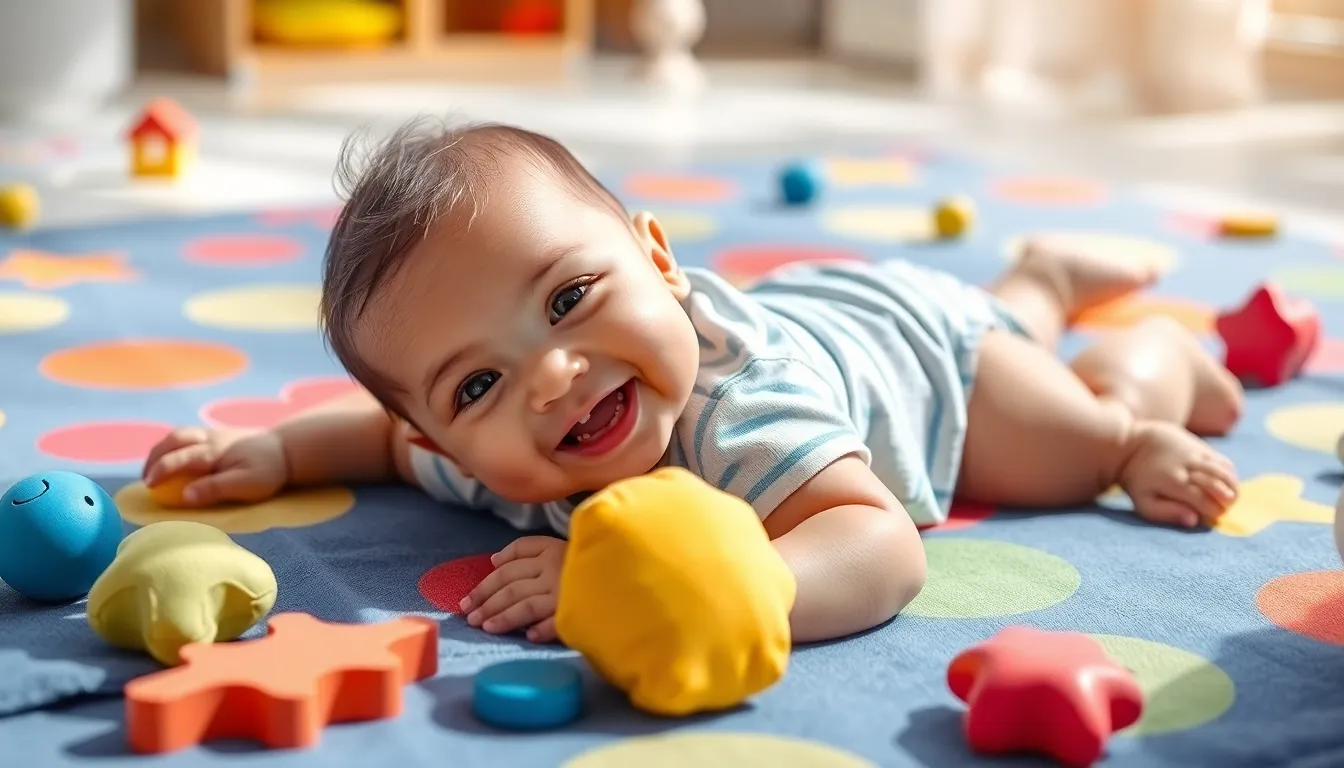
Tummy time offers numerous advantages for infant development, including improved physical and cognitive abilities. Engaging in this activity helps cultivate essential skills.
Physical Development
Physical development benefits from tummy time as babies strengthen their neck, shoulder, and arm muscles. Lifting their head promotes better control, which leads to improved coordination. Overall motor skills enhance through repeated efforts in this position. Experts highlight that practicing tummy time reduces the likelihood of developing flat spots on the head. Gradually increasing session lengths also contributes to overall muscle tone and mobility. This practice lays the foundation for crucial milestones such as crawling and walking.
Cognitive Development
Cognitive development flourishes during tummy time as babies gain new perspectives of their surroundings. Exploring different angles enhances visual and spatial awareness. Engaging with toys during sessions stimulates curiosity and problem-solving skills. Parents can introduce various textures and colors to spark interest and stimulate sensory exploration. Responding to the captivating environment boosts brain activity and promotes learning. As infants discover cause-and-effect relationships through movement, cognitive connections strengthen. Consequently, tummy time serves as a beneficial activity for both physical and mental growth.
How to Do Baby Tummy Time
Engaging in tummy time boosts an infant’s physical and cognitive development. Following specific guidelines ensures a positive experience.
Tips for New Parents
Start tummy time early, ideally in the first week after birth. Utilize a blanket or a soft mat in a clean area. Initiate with short sessions lasting 2 to 3 minutes, gradually increasing to 15 to 30 minutes as the baby grows. Incorporating colorful toys captures his attention and encourages exploration. Parents can join in, interacting and playing alongside their baby to enhance engagement. Observe the baby’s cues for signs of fatigue or frustration, adjusting sessions accordingly ensures it remains fun.
Safe Practices
Place the baby on a flat, safe surface, avoiding high places like beds or sofas, to minimize the risk of falls. Always supervise during tummy time, keeping a close watch for any signs of distress. Ensure the environment is free from choking hazards, creating a comfortable and secure atmosphere. Adjust rooms’ lighting for optimal visibility, and maintain a consistent temperature for comfort. If the baby shows resistance, try tummy time on the parent’s chest, offering closeness while still reaping the benefits.
Recommended Age for Tummy Time
Starting tummy time as early as the first week after birth encourages healthy development. Newborns can engage in short sessions of 2 to 3 minutes several times a day, even if they seem resistant. Gradually increasing sessions to 15 to 30 minutes is ideal as the baby grows older.
At two months, infants usually become more accustomed to tummy time. Many begin lifting their heads and pushing up with their arms, showing excitement about exploring their environment. Parents should watch for signs of readiness, such as more head control and improved strength.
Significant milestones appear around three to four months. By this age, babies can often support their upper bodies with their arms and enjoy looking around. This increased capability makes tummy time both fun and beneficial, as it promotes physical strength and coordination.
By six months, most infants are capable of rolling over during tummy time. Engaging with toys during this period can enhance sensory exploration. Consistent tummy time remains crucial for preventing flat spots on the head, often referred to as positional plagiocephaly.
At nine months, babies are typically crawling or preparing to crawl. They need tummy time for strengthening their muscles further. Continued tummy time, even after they master crawling, supports balance and further physical development.
Overall, tummy time benefits children in crucial ways throughout their early months. Following these age recommendations ensures infants gain the full benefits of each stage in their development.
Common Concerns About Baby Tummy Time
Parents often worry about the right age to start tummy time. Starting as early as the first week after birth promotes healthy development. Fatigue can be another concern; newborns may show signs of being tired or frustrated. Parents should watch for these cues and gradually introduce longer sessions.
Safety is paramount during tummy time. Always place the baby on a clean, flat surface, away from hazards. Supervision remains essential while the baby explores their surroundings. Concerns about flat spots on the head, known as positional plagiocephaly, often arise. Regular tummy time significantly reduces the likelihood of these flat spots forming.
Developmental milestones can also lead to questions. By two months, most infants start lifting their heads and pushing up with their arms. Progression typically continues, with significant accomplishments seen around three to four months. At this age, babies can support their upper bodies and enjoy visual exploration. After six months, many babies start rolling over, adding excitement to tummy time.
Some parents hesitate to engage in tummy time due to their child’s resistance. Using the parent’s chest as a surface provides closeness while still facilitating tummy time benefits. Incorporating colorful toys can help capture the baby’s interest.
Concerns about developmental delays may arise if tummy time isn’t introduced properly. Consistent engagement fosters muscle strength and coordination necessary for crawling and walking. Understanding the benefits helps parents embrace this critical activity as part of daily routines.
Conclusion
Tummy time is an essential practice that plays a significant role in a baby’s development. By encouraging infants to spend time on their stomachs, parents can help strengthen crucial muscles while promoting cognitive growth. This simple activity not only prepares babies for future milestones but also enhances their ability to explore the world around them.
Creating a positive and engaging tummy time experience fosters both physical and mental well-being. With consistent practice and a little creativity, parents can make tummy time enjoyable for their little ones. Embracing this vital activity can lead to a happier healthier baby ready to take on new challenges as they grow.